Branching Narratives
With decades of larp writing experience and a deep commitment to the role of games in community development in my toolkit, I excel in writing branching narratives that support player agency and connect the player to the game in an organic way.
Gamucatex - Copenhagen
In my role of Narrative Designer I was asked to create branching narrative models that could solve issues the Game Design Department was having when it came to tying battle reenactments to the framing narrative.
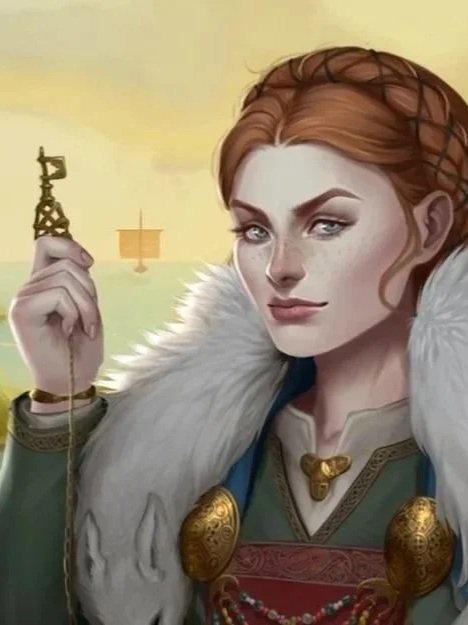
Stepping into this project I had to designate how the Inkster (the Player Character) moved through the world of the Timeless Library (the framing world) and how they would combat the Blight (main conflict) through playing battle recreations. At the beginning of this project, the player actions did not impact the framing narrative so the game lacked stakes, players had no agency, and character designs were going unused. The lead game designer was unmoving in their decision that the player could not change history by losing a battle recreation, but the players choices had to have weight and wanted branching narratives to introduce stakes and feedback loops.
This model was one of my proposed options for how to put weight on player decisions, without changing history, that engages unused character designs (Historians, Historical Contemporaries, Librarians, and the Magister). This model honored the Game Directors desire to have the game teach critical thinking, good historic practice, without engaging in speculative historical fiction. The choices the Inkster makes with the types of cards they play during a simplified battle reenactment tells what historical bias they are favoring. Based on their bias the outcome will either make the Blight worse or better. The more balanced the Inkster decisions are regarding bias will move them forward in their quest in curing the Blight.